Experts for Humans • Technology & AI

Office Design for Workflow Pipeline Design

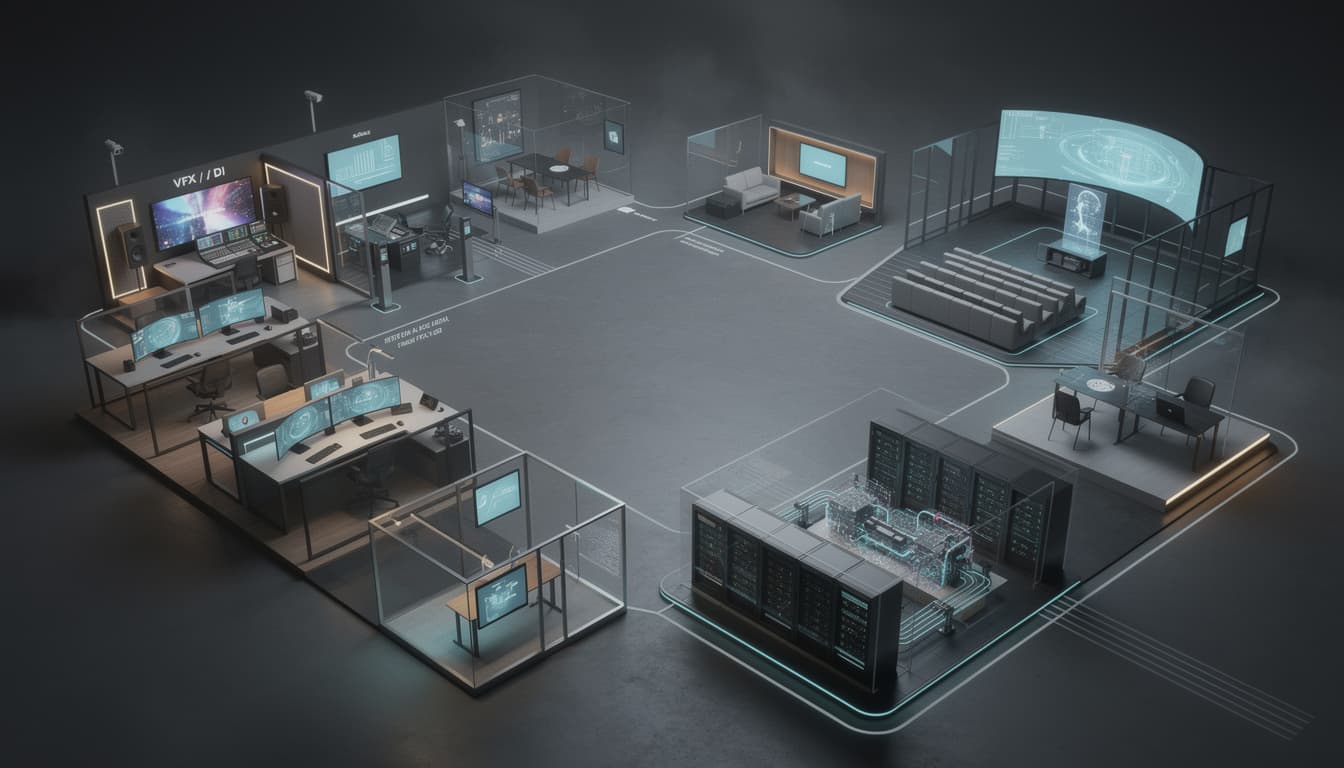
We design the PM environment—control pods, war rooms, review flow, and visibility zones—so project managers coordinate faster, communicate cleaner, and keep delivery on track without daily chaos.

PM Office Design

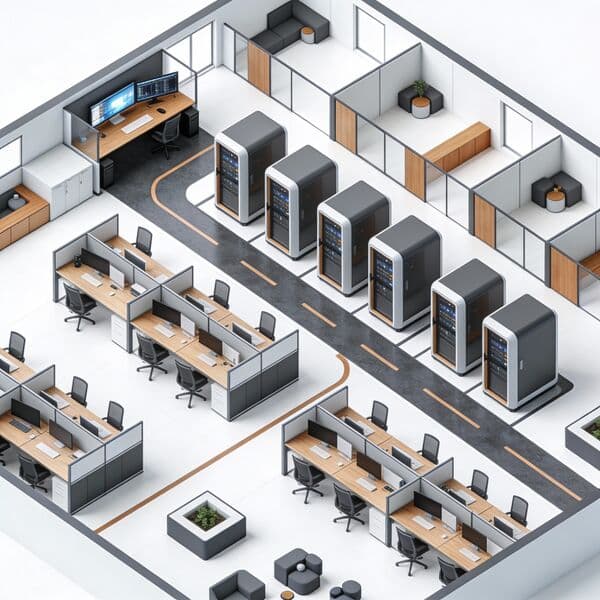
PM Control Pods

A calm command area where PMs can coordinate without disturbing production.

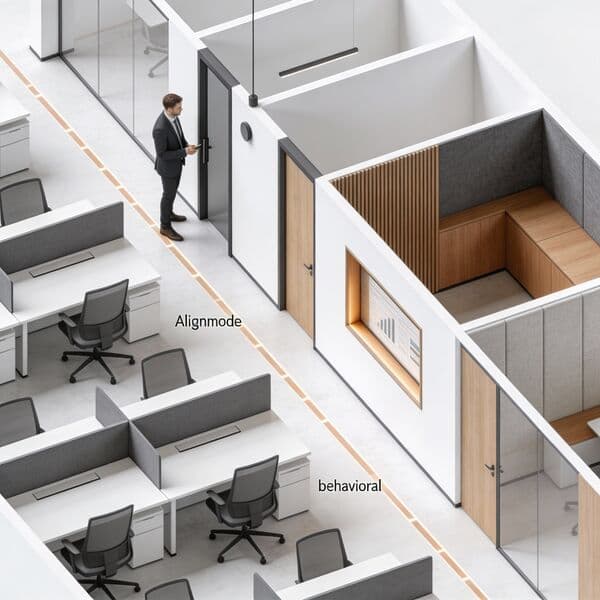
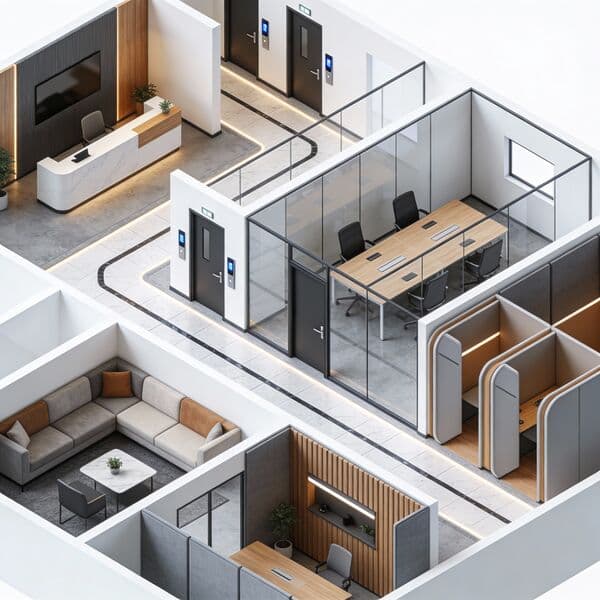
Project managers don’t need louder communication—they need a better setup. We design PM control pods placed for quick access to leads, review points, and critical teams.

The layout supports short decision loops, fewer walk-backs, and clean follow-ups. Seating is planned so PMs can coordinate actively while protecting focus zones from constant interruptions.

The result is faster daily alignment and smoother delivery without the office feeling chaotic.
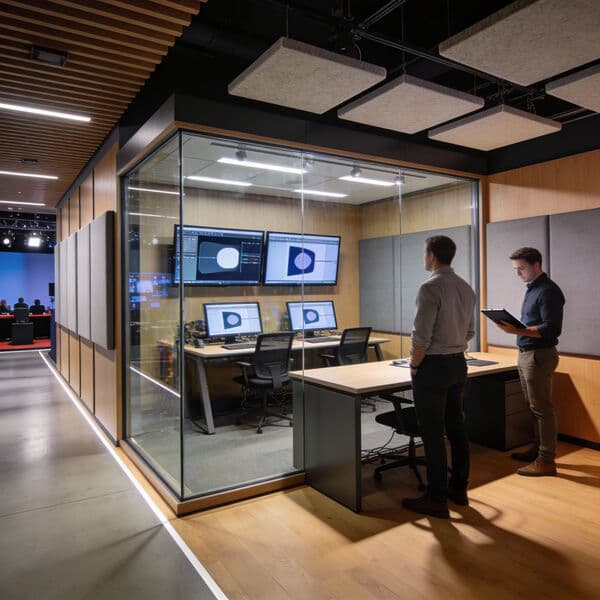
PM control pod planning
Faster
Decisions
Cleaner
Follow-ups
Coordination zone
PM pod placement
PM seating positioned for fast access to leads and review touchpoints without noise spill into focus bays.
Lead-facing coordination desks
Short-path planning so approvals and fixes move quickly with minimal back-and-forth.
Quick huddle corners
Small meeting points for 5–10 minute outcomes—blockers, clarifications, and daily sync.
Circulation + access lanes
Clear movement paths so PM activity doesn’t create bottlenecks or disrupt production flow.
Quiet-focus buffers
Zoning and adjacency choices that keep artists and execution teams calmer during busy weeks.
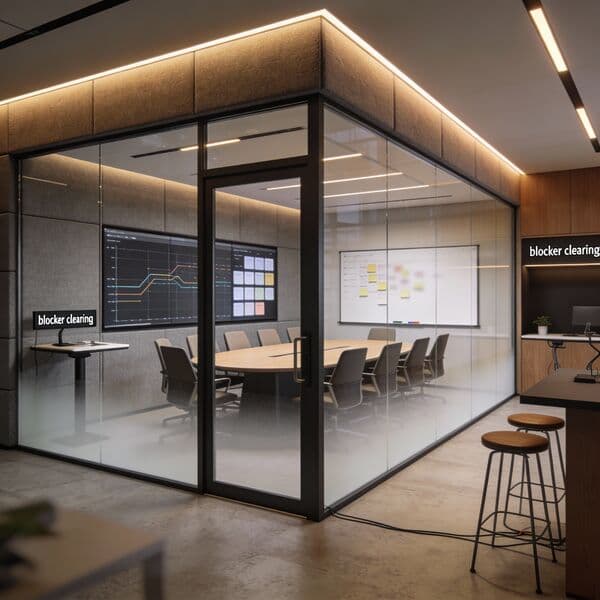
War room planning
Crunch coordination
Delivery

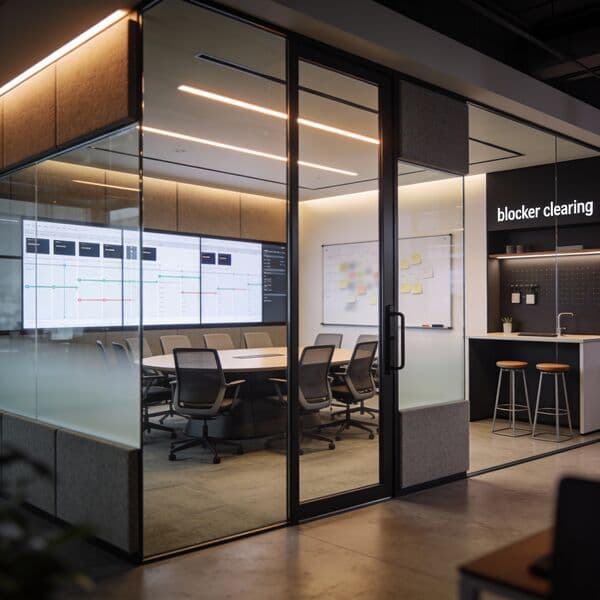
War Room for Crunch Weeks

A dedicated space for rapid coordination—without pulling the whole office into meetings.

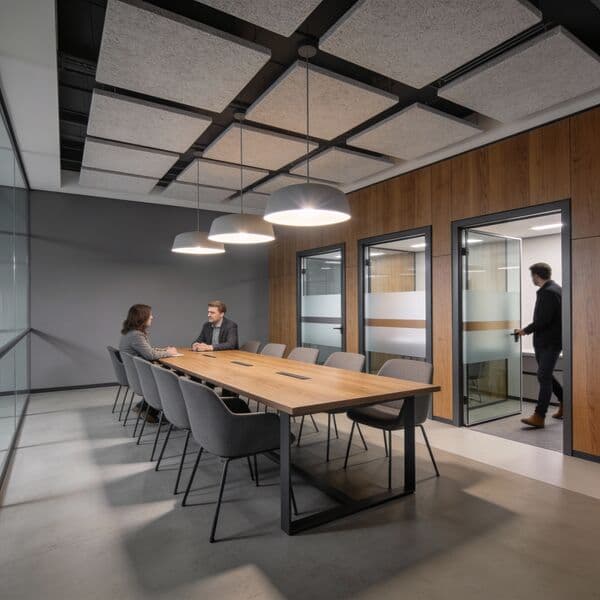
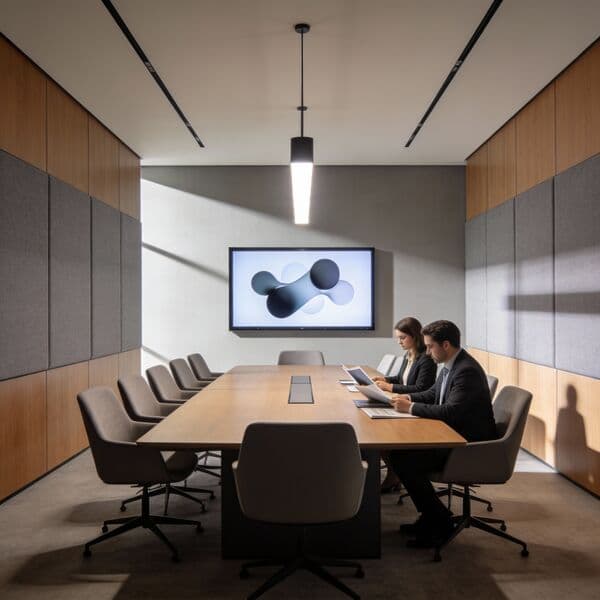
When deadlines tighten, coordination needs a place to live. We design war rooms for sprint planning, dependency clearing, and leadership sync—built for short, outcome-driven sessions.

The war room contains high-pressure communication so the rest of the floor stays focused. Seating, visibility, and flow are planned for quick decisions and clean ownership.

This reduces chaos during peak weeks and keeps delivery predictable.

Sprint planning setup
Layout planned for short planning cycles and decision loops that actually close actions.
Dependency resolution corner
A place to clear blockers quickly without disturbing execution zones.
Leadership sync point
A clean space for brief leadership check-ins that produce decisions, not long discussions.
Crisis-to-calm workflow
Space supports an escalation rhythm that turns issues into resolutions faster.
Multi-use conversion
Designed to work as a normal meeting room and convert into war room mode when needed.
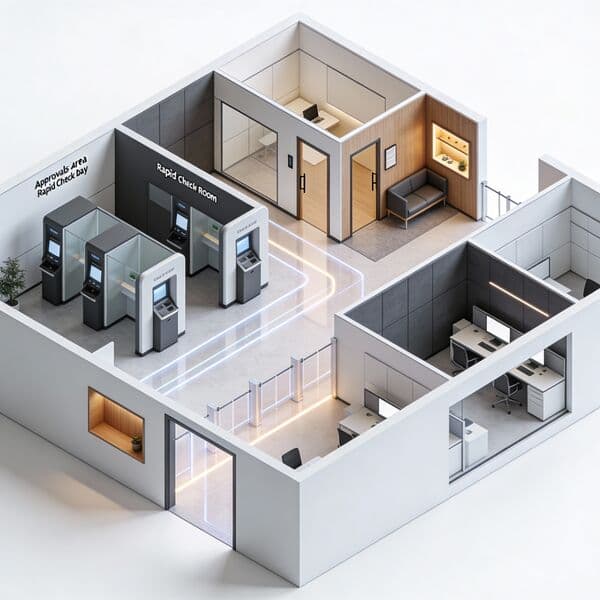
Review and approval planning
Approval flow
Approvals

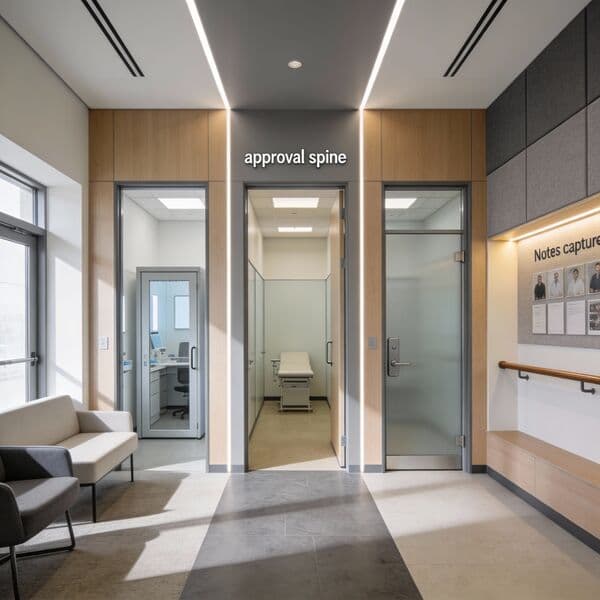
Review Flow + Approval Rooms

Faster approvals with fewer missed notes and fewer repeat reviews.

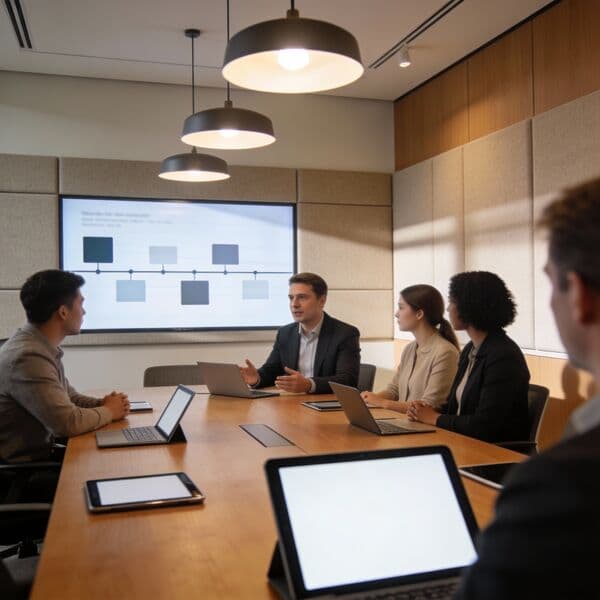
We design how review actually happens: where decisions are made, where notes are captured, and how fixes return to teams without confusion.

This includes review-adjacent PM seating, compact review bays for quick checks, and client-safe rooms where privacy matters.

The result is fewer missed notes, cleaner handoffs, and approvals that convert into actions faster.

Review-adjacent PM placement
PMs sit near review points so notes turn into actions quickly.
Rapid check bays
Compact review bays for quick internal checks and lead reviews.
Client-safe review rooms
Controlled rooms for sensitive approvals and comfortable client sessions.
Notes capture setup
Layout intent for screen viewing + note capture so decisions don’t get lost.
Fix handoff flow
A predictable handoff route so teams don’t backtrack and re-clarify repeatedly.
Visibility

Visibility Zones for PMs

See what matters—without increasing meetings.

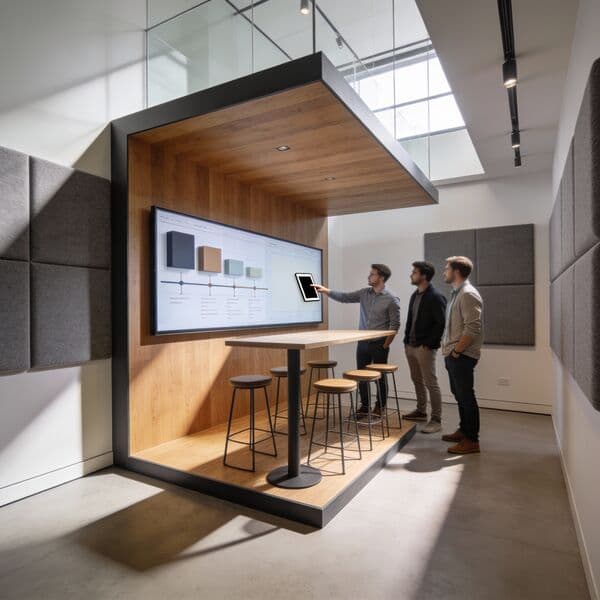
We design office visibility as a physical + behavioral system: where daily priorities are aligned, where risks surface early, and how progress is reviewed quickly.

This includes standup points, visibility wall/screen placements (where needed), and quiet planning zones for forecasting and reporting.

The goal is clarity: fewer surprises, cleaner coordination, and less time lost chasing updates.

Visibility and reporting zones
Clarity
Daily Alignment
Less Chasing
Better Signals
Standup and alignment
Standup point planning
Fast alignment zones designed for quick updates and clear outcomes.
Visibility wall/screen intent
Placement planning for priorities and schedules without creating distraction noise.
Risk surfacing corner
A place where blockers are raised and resolved calmly and consistently.
Quiet planning zone
A low-noise space for PM forecasting, reporting, and coordination work.
Reporting rhythm support
A layout that supports daily/weekly check-ins without meeting overload.
Call room design
Escalation corner
Communication

Call Rooms + Escalation Corners

Quiet spaces for high-stakes conversations—without disturbing the floor.

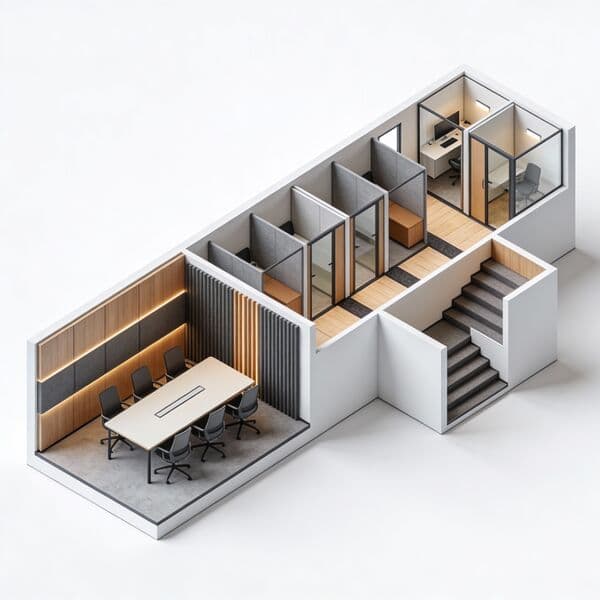
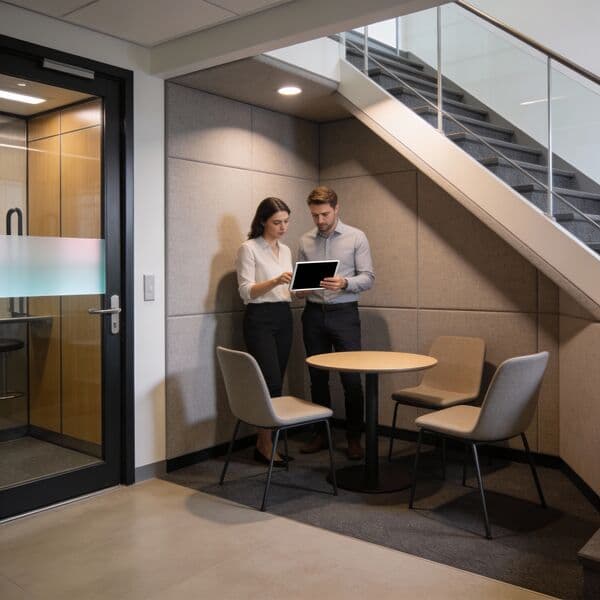
PMs need private, quiet spaces for client calls, escalations, and sensitive conversations. We design call rooms and escalation corners that are easy to access but acoustically controlled.

This reduces open-floor noise, improves professionalism, and keeps critical conversations from spilling into production areas.

These spaces are designed to be practical: quick to enter, easy to use, and consistent across the office.

Call room placement
Placed near PM pods and meeting zones for fast access without crossing the whole office.
Acoustic intent
Material and zoning intent to keep calls private and reduce spill into work zones.
Sensitive conversation rooms
Small rooms for escalations, client issues, or leadership conversations.
Quick-use design
Spaces designed for fast entry/exit—built for short, high-impact calls.
Consistency across floors
Repeatable call-space standards you can apply as the office grows.
Client room planning
Vendor coordination
Stakeholders

Client + Vendor Coordination Rooms

Spaces that make approvals smoother and collaboration more controlled.

We design stakeholder-ready rooms for client meetings, vendor coordination, and sensitive approvals—so communication stays professional and controlled.

These rooms are planned around flow: reception-to-room paths, privacy intent, and proximity to PM pods so follow-ups happen quickly.

The result is better client confidence, cleaner vendor collaboration, and fewer delays caused by chaotic communication.

Client meeting room planning
Rooms designed for approvals, status reviews, and sensitive conversations.
Vendor coordination setup
Dedicated spaces for vendor calls and handoff discussions without floor disruption.
Privacy + access intent
Controlled flow and access planning where confidentiality is required.
Proximity to PM control pods
Rooms placed to keep follow-ups fast after stakeholder meetings.
Comfort + professionalism balance
Client-facing quality without turning space into a luxury-only zone.
Enablement

Standards + Adoption Pack

So the office design stays effective after day one.

A PM-friendly office works best when routines stay consistent. We define standards for room usage, standups, escalation handling, review flow, and handoff rhythm—so coordination doesn’t degrade over time.

We also provide simple induction guidance so new PMs and leads understand how the space is meant to be used and adopt the rhythm quickly.

This keeps the office calm, repeatable, and scalable as teams grow.

Standards and adoption
Repeatable
Daily Rhythm
Scalable
New Joiners
Induction and enablement
Room standards + naming
Consistent room types and naming so usage becomes predictable and booking-friendly.
Standup + huddle templates
Short meeting structures designed for outcomes and ownership clarity.
Escalation handling routine
Simple rules for when to escalate, who owns it, and what happens next.
Review flow usage guidance
How to run approvals and note capture in the designed spaces to reduce rework.
Induction guidance
Quick onboarding notes so new joiners adopt the rhythm without confusion.
PM office design CTA

Design a PM Office That Feels Like a Control Tower

We’ll design PM control pods, war rooms, review flow, and visibility zones—so project managers coordinate faster, reduce daily friction, and keep delivery predictable.