Experts for Humans • Technology & AI

Data Center Office Design

We don’t supply hardware or solutions. We design the data center environment—rooms, pathways, control areas, and safety-ready layouts—so engineers can operate, maintain, and scale reliably.

DC Office Design

Site + Room Planning

A facility layout that keeps operations clean, secure, and serviceable.

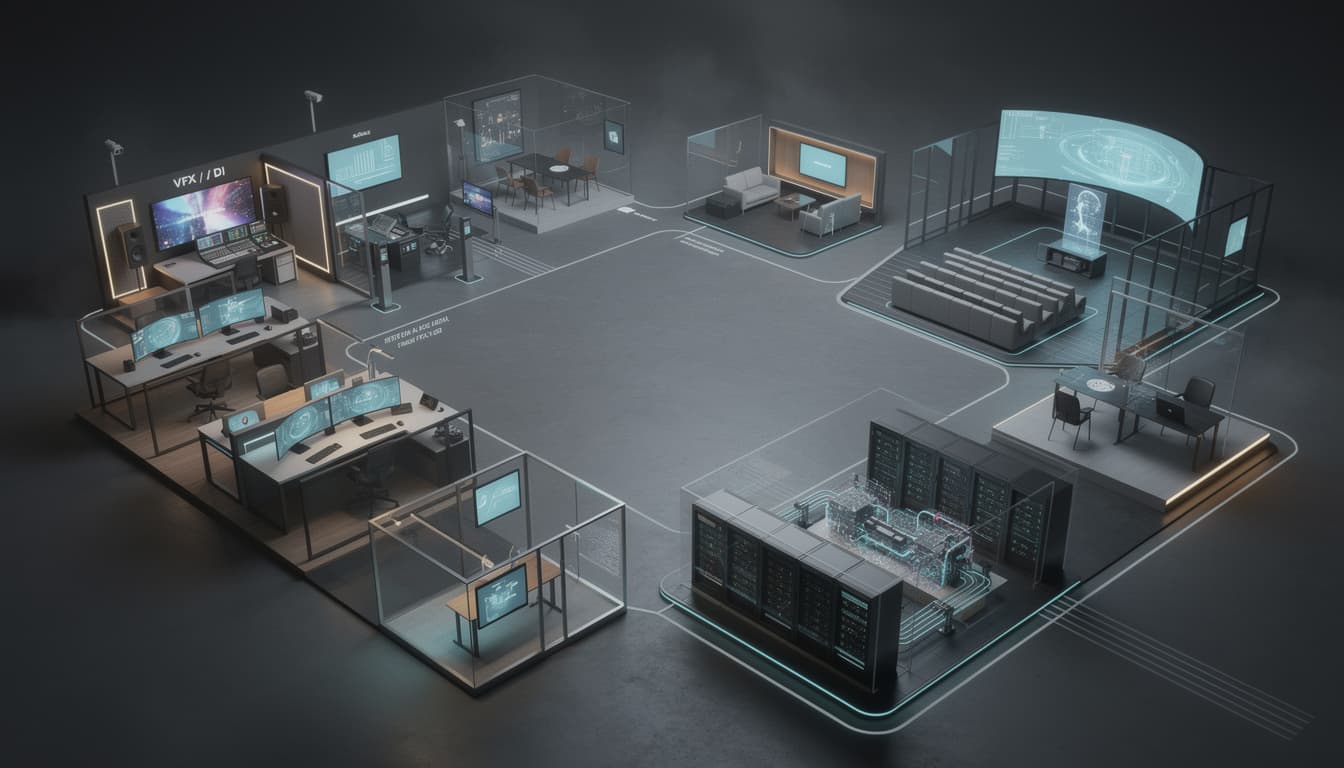
We design how the data center space works in practice—where people enter, where equipment is serviced, where monitoring happens, and how access stays controlled.

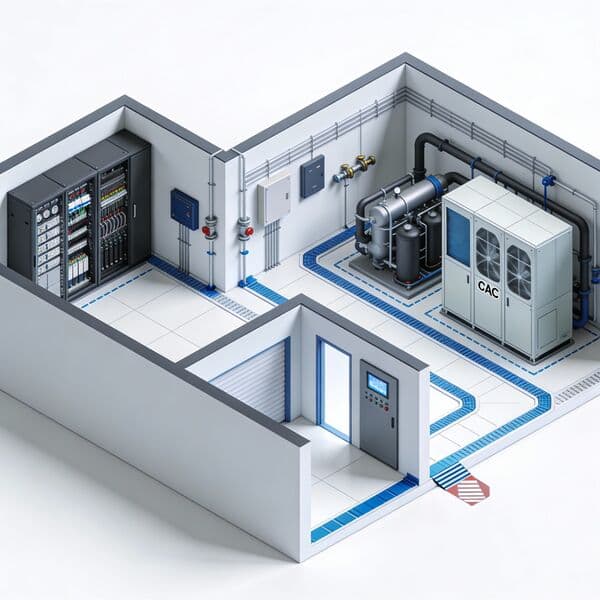
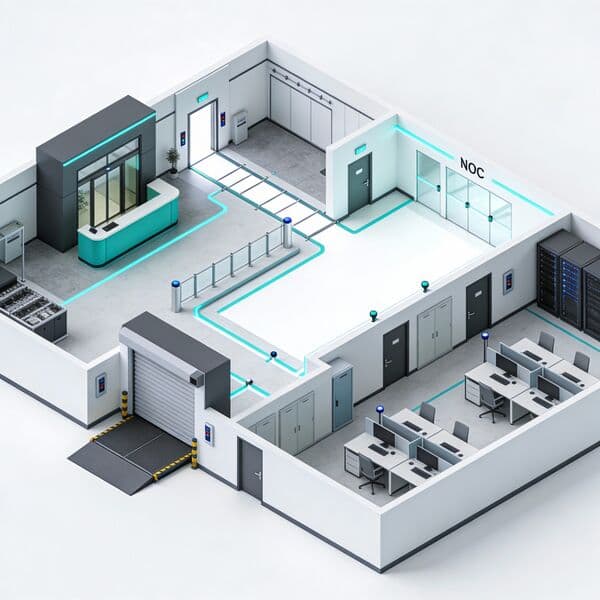
This includes room zoning (white space, staging, NOC/control, electrical, cooling areas), clear circulation paths, and safe working clearances.

The goal is an environment that reduces mistakes, speeds up troubleshooting, and stays easy to operate as complexity grows.
Data center room planning
Serviceable
Clear Operations
Controlled
Secure Movement
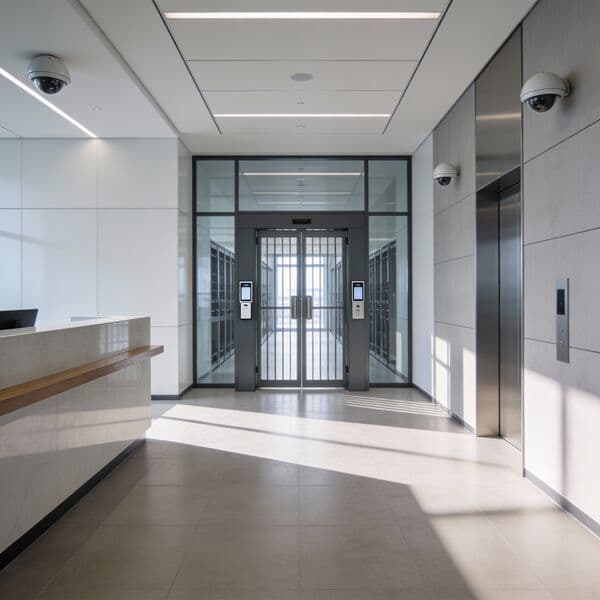
Data center operational zones
Room zoning + adjacency
White space, staging, NOC/control, restricted rooms—placed for clean operations and fast response.
Engineer movement paths
Clear circulation that reduces cross-traffic, confusion, and accidental disruptions.
Staging + receiving area planning
Defined areas for unpacking, labeling, and prep so the live floor stays clean.
Documentation + labeling zones
Practical spots for prints, maps, and labeling routines so changes stay traceable.
Visitor + vendor flow intent
Controlled routes and check-in points for secure visits without disrupting operations.
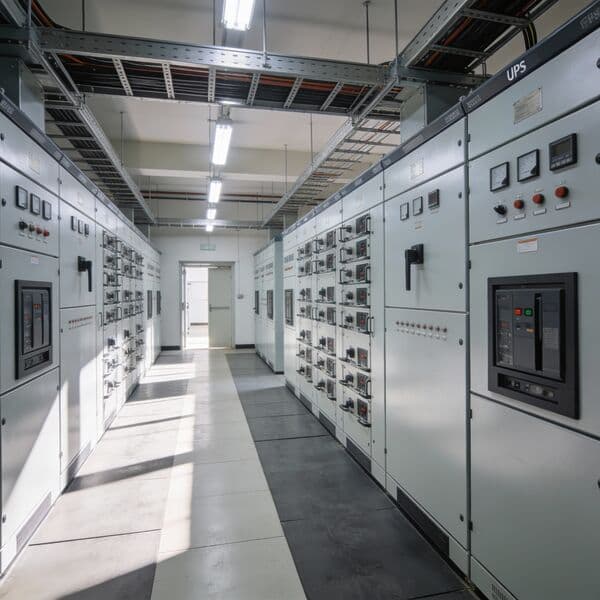
Power rooms planning
Cooling area planning
Critical Layout

Power + Cooling Layout Planning

Room layout and service access planned to support stability and safe maintenance.

We plan the physical layout for power and cooling areas so technicians can work safely and maintenance can happen without chaos.

Clearances, routing corridors, isolation access, and signage intent are designed so operations teams can respond quickly during incidents.

The focus is layout discipline: clean separation, safe working zones, and predictable access—so uptime risk is reduced through better space design.

Dedicated technical room zoning
Separate electrical, cooling, and control zones to reduce cross-risk and improve serviceability.
Service clearance planning
Working clearances and access paths designed for safe maintenance and upgrades.
Routing corridors + safety signage intent
Clear corridor planning plus labeling/signage zones for consistent operations.
Isolation + emergency access intent
Space planned so isolation points are reachable quickly in real incidents.
Noise/heat separation mindset
Layout decisions that keep noisy/heat-heavy zones away from control and circulation areas.
White Space

Rack Zones + Aisle Pathways

A rack floor designed for safe movement, clear work, and clean change control.

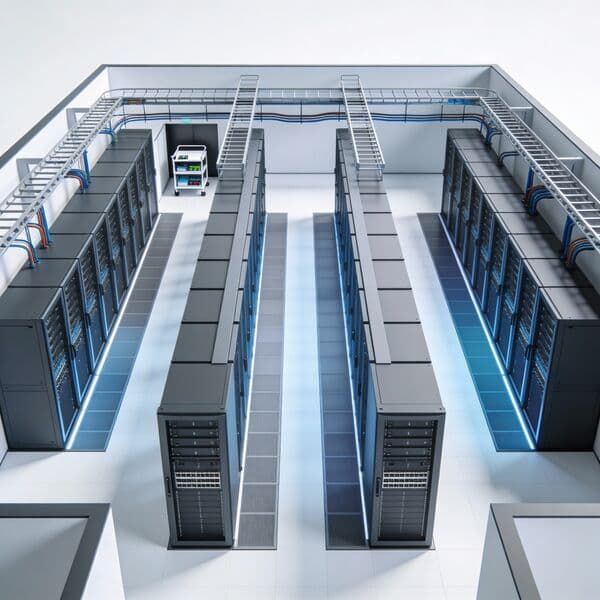
We design rack zones and aisle layouts with clear movement paths, safe working clearances, and tidy maintenance access.

Aisle discipline and service lanes reduce mistakes, keep airflow intent predictable, and make troubleshooting faster.

We also plan staging points so work like labeling, patch prep, and temporary storage doesn’t clutter critical aisles.

Rack layout planning
Clear Aisles
Safe Movement
Tidy Ops
Less Chaos
Aisle and pathway discipline
Aisle + clearance planning
Safe working space for installs and maintenance without blocking circulation.
Service lanes + working zones
Defined lanes for tools, carts, and engineering work to keep aisles usable.
Staging points inside the floor
Controlled staging spots so temporary work doesn’t create hazards or clutter.
Labeling + map placement
Places for maps, rack IDs, and quick-reference labels so teams work faster and safer.
Housekeeping logic
Design choices that support clean change control habits over time.
Cabling pathway planning
ISP entry planning
Pathways

Cabling Pathways + ISP Entry Areas

Structured routes and service access that keep changes controlled and troubleshooting fast.

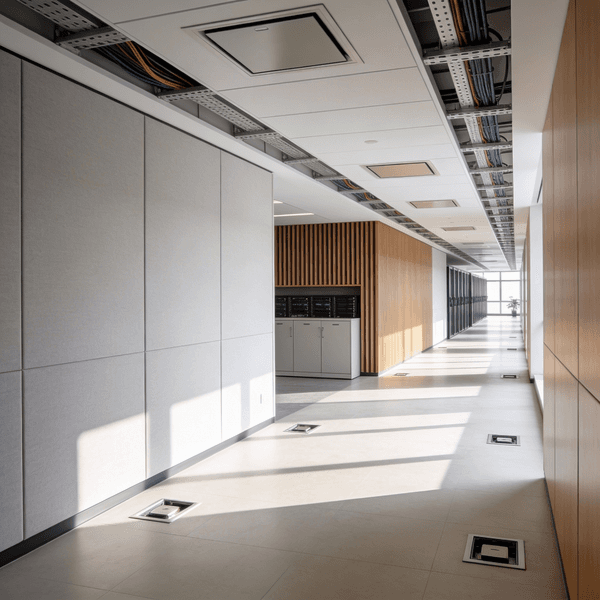
We design cable pathways, tray routes, and patching areas as part of the room layout—so technicians can work cleanly without blocking aisles or creating spaghetti routes.

We also plan ISP entry / demarc areas and controlled handoff spaces so external lines are serviceable and secure.

This is a space and pathway design scope—focused on clarity, separation, and maintainability as you scale.

Tray + route planning
Defined routes and separation intent to keep cabling tidy and safe to maintain.
Patch area placement
Patch zones placed for easy access without interrupting active aisles.
Labeling + documentation zones
Practical places for labeling discipline and quick-reference maps.
ISP entry/demarc room intent
Controlled, serviceable spaces for carrier handoffs and secure access.
Change-friendly pathway discipline
Design choices that keep upgrades predictable as new routes are added.
Safety Systems

Safety Layout + Alert Readiness

Design for early warning and calm response.

We design safety readiness as part of the facility layout: clear placement intent for detection zones, alarm visibility, response routes, and safe working access.

This includes planning for fire alert and prevention workflows, water leak detection zones, and rodent avoidance measures through sealing and pathway hygiene.

The goal is not “products”—it’s a DC environment where teams get early signals and can respond quickly without confusion.

Safety planning
Early Alert
Faster Response
Prevention
Lower Risk
Leak detection intent
Fire alert zoning intent
Layout supports clear zoning and response paths for faster action during incidents.
Response routes + signage
Safe access routes and signage placement intent for calm, predictable response.
Water leak risk-zone planning
Risk-zone mapping and placement intent for early detection and quick containment.
Rodent avoidance through design
Sealing intent, entry-point hygiene, and pathway planning to reduce rodent-related risk.
Incident handling workflow spaces
Where teams gather, log, and coordinate during incidents—without blocking operations.
Access layout planning
CCTV coverage planning
Security Layout

Access Control Areas + CCTV Planning

Physical security designed into space—without slowing operations.

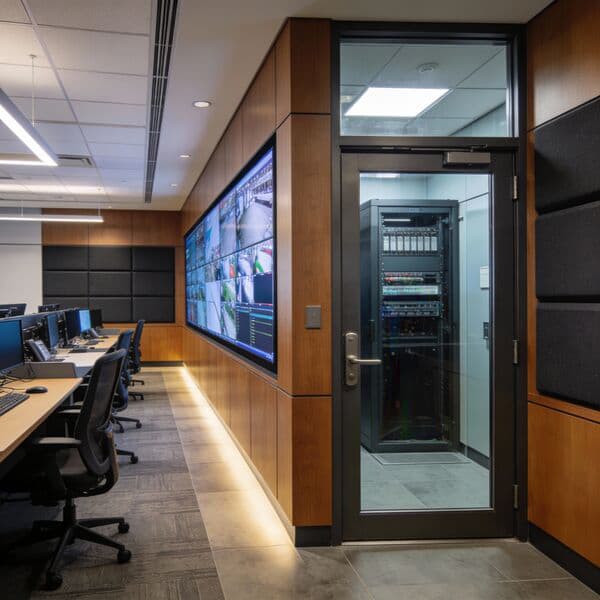
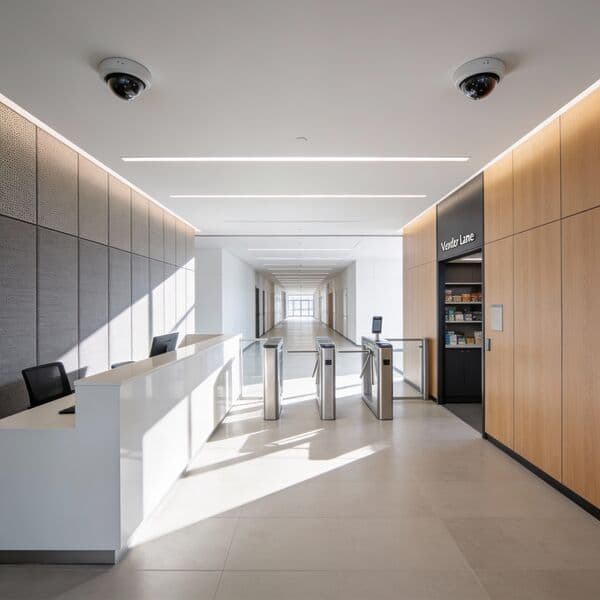
We plan controlled access zones and camera coverage as part of the facility layout—entry points, corridors, restricted areas, and critical rooms.

The focus is space-driven security: where checkpoints sit, how movement is controlled, and how visibility reduces blind spots.

This supports secure operations and clean audits—without creating bottlenecks for engineers and vendors.

Entry checkpoint placement
Placement intent for check-in and access points to reduce congestion and improve control.
Restricted zone planning
Zoned access layout for critical rooms and sensitive areas with clear boundaries.
Camera coverage intent
Placement planning for entries, corridors, and blind spots—designed for real visibility.
Visitor/vendor movement control
Routes and waiting points designed so visits are secure without disrupting operations.
Security + operations alignment
Security zones designed so monitoring and response remain practical during daily work.
Build Fit-Out

Flooring + Lighting for Operations

Visibility, cleanliness, and safe maintenance—designed into the environment.

We plan flooring and lighting intent so engineers can work safely, labels are readable, and aisles remain clear.

Flooring is designed around hygiene, movement, and maintenance realities—so day-to-day work stays predictable.

Lighting is planned for critical visibility in aisles, staging areas, and service zones—reducing mistakes and improving incident response speed.

Flooring planning
Safe Ops
Clear Visibility
Clean
Serviceable Space
Lighting planning
Aisle-friendly flooring intent
Flooring planning that supports safe movement, carts/tools, and long-term maintenance.
Cleanliness + dust control mindset
Design intent that supports housekeeping routines and reduces messy surfaces.
Task lighting planning
Lighting zones planned for installs, labeling, patching, and maintenance work.
Emergency visibility intent
Visibility planning so key areas remain readable and navigable during incidents.
Service zone clarity
Lighting and floor logic that keeps staging/working zones obvious and controlled.
Expansion readiness planning
Change control planning
Growth

Expansion Readiness + Change Control

A design that grows without breaking operational discipline.

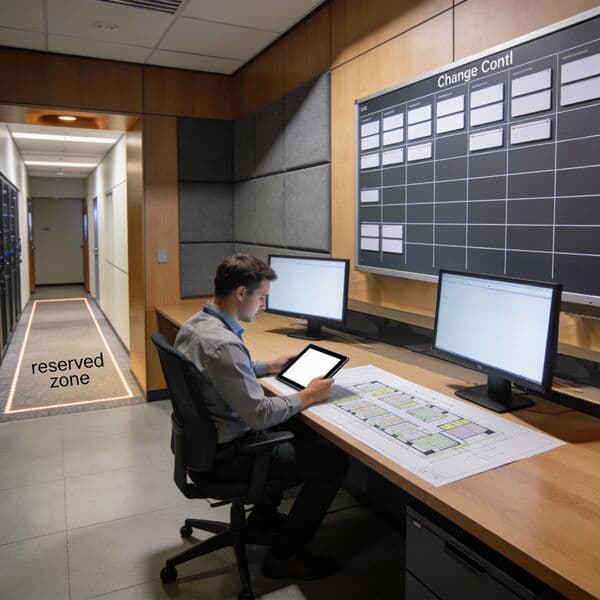
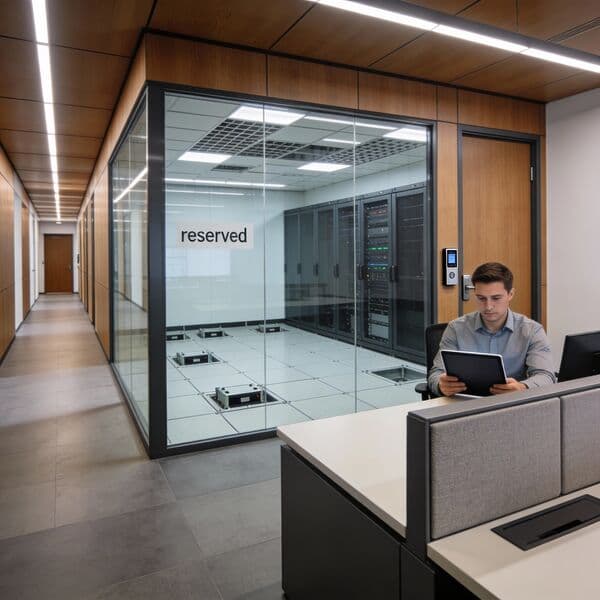
We plan expansion readiness through layout structure: reserved zones, clear pathways, scalable room logic, and documentation-friendly planning.

This keeps upgrades and additions predictable—without blocking aisles, breaking access control, or creating messy pathways.

You get a facility plan that supports growth cleanly while keeping day-to-day operations safe and efficient.

Phased space planning
Expansion planning in stages so future growth fits the same operational logic.
Reserved zones + clear routes
Space reserved for future additions with route discipline to avoid rework.
Scalable security zoning
Access and CCTV intent designed to expand with the facility without breaking control.
Documentation-friendly structure
A layout that stays understandable as more rooms, aisles, and pathways are added.
Change control-friendly design
Design intent that supports controlled upgrades without disrupting operations.
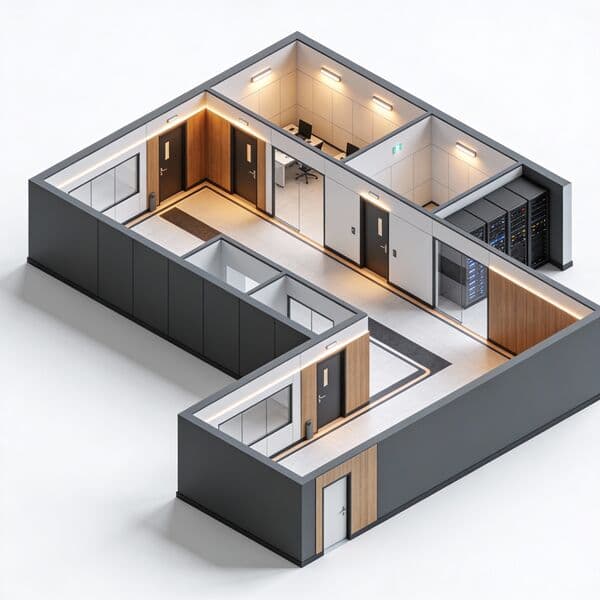
Data center office design CTA

Design a Data Center Environment That Runs Clean and Scales Smoothly

We’ll plan rooms, pathways, safety readiness, access zones, and operational clarity—so your DC team works faster, safer, and with fewer surprises.